
About this Film
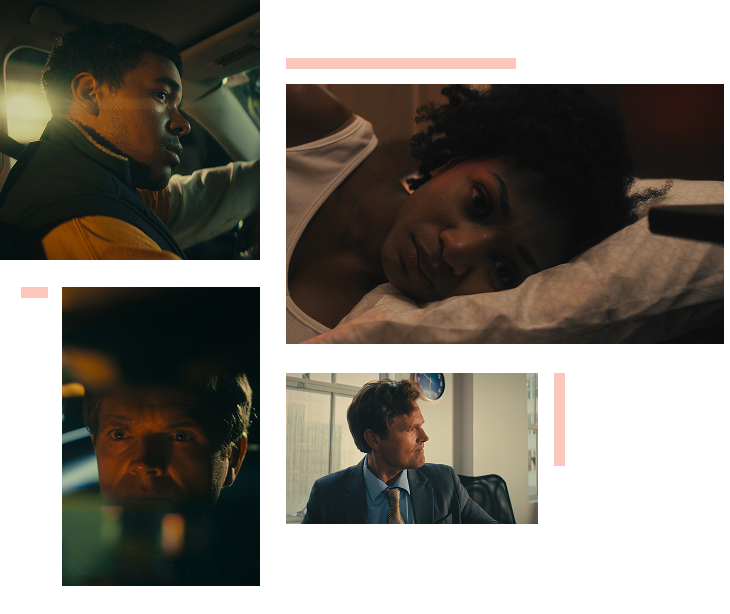
Room 21 pulls back the curtain on a hidden reality most people never see: human trafficking in America.
It rarely looks like the dramatic scenes we see in movies or the sensational headlines, most often, its manipulation, coercion, and control. It’s a teenager who thinks she’s in love, a co-worker you see every day, a neighbor down the street—appearing ordinary while enduring something devastating behind closed doors.
This short film is based on the testimonies of real trafficking survivors. It provides a glimpse into just a few hours of one victim’s life, showing how quickly and easily someone can be trapped, often without even realizing what’s happening. It exposes the harsh reality of just how little some people value human life.
Room 21 is not entertainment. It’s a wake-up call to confront reality, recognize the signs, and take a stand against an injustice that thrives in silence.
Why it Matters
The moment that made this portrayal hit hardest for me was the knock on the door. Every survivor knows that feeling. Whether we sat anxiously on the bed waiting, or paced the room back and forth, we all waited for the knock. And we all dreaded it, I dreaded it. I’ve never seen a more realistic portrayal of trafficking. Alina D., trafficking survivor
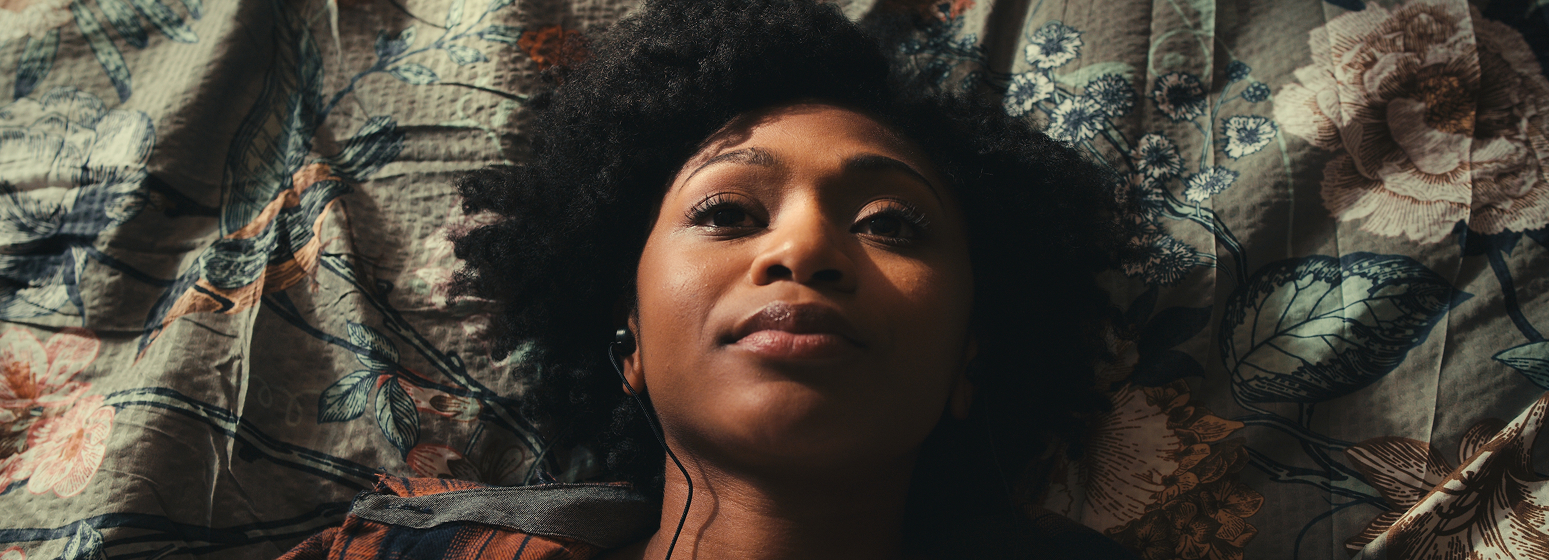
Room 21 is more than a film—it gives survivors a voice and makes the hidden reality of trafficking visible.
Every day in the U.S., kids are being trafficked — and most people have no idea.
That’s why we made Room 21. Stories and stats matter. But sometimes you need to see the reality...the evil. Once you do, it’s hard to look away.
Though the story is fictional, it’s built from real survivors’ testimonies and those fighting trafficking on the front lines. It’s not easy to watch — and that’s the point.
Our hope and prayer is that Room 21 opens your eyes, breaks your heart, and moves you to join us in the fight — to defend the vulnerable and disrupt the demand.Tim TebowFounder of the Tim Tebow Foundation
Stand Against this Evil with the Tim Tebow Foundation
Every view and every share helps expose the hidden reality of trafficking in America.


